
 From the droplets in a baptismal font to the scattering of ashes on a holy river, water blesses our lives.
By Cathy Newman
Photograph by John Stanmeyer
If I were called in / To construct a religion / I should make use of water, wrote the English poet Philip Larkin in 1954—and most religions do.
Waters, religious historian Mircea Eliade explained in the 1950s, are “spring and origin, the reservoir of all the possibilities of existence; they precede every form and support every creation.” So it has been since human history began and, by legend, before. The world, Genesis says, was brought to life by a God who created a “firmament in the midst of the waters.” Babylonians believed in a world made from a commingling of fresh and salt water. Pima Indians have said Mother Earth was impregnated by a drop of water. The cataclysmic flood that destroys a civilization is also an aqueous archetype and part of Hebrew, Greek, and Aztec cultures.
The body thirsts. So does the spirit. “I must live near a lake,” wrote Swiss psychiatrist Carl Jung, who waded into the depths of the psyche and equated water with the unconscious. “Without water, I thought, nobody could live at all.”
From our worldly entrance in a burst of amniotic fluid to the ritual washing of the dead (taharah in Judaism; ghusl al-mayyit in Islam), water flows through our lives, scribing a line between sacred and profane, life and death. We are doused, dunked, dipped, sprinkled—and blessings flow, deep and wide as the River Jordan of Scripture, wondrous as the spring at Lourdes, cathartic as tears.
From the droplets in a baptismal font to the scattering of ashes on a holy river, water blesses our lives.
By Cathy Newman
Photograph by John Stanmeyer
If I were called in / To construct a religion / I should make use of water, wrote the English poet Philip Larkin in 1954—and most religions do.
Waters, religious historian Mircea Eliade explained in the 1950s, are “spring and origin, the reservoir of all the possibilities of existence; they precede every form and support every creation.” So it has been since human history began and, by legend, before. The world, Genesis says, was brought to life by a God who created a “firmament in the midst of the waters.” Babylonians believed in a world made from a commingling of fresh and salt water. Pima Indians have said Mother Earth was impregnated by a drop of water. The cataclysmic flood that destroys a civilization is also an aqueous archetype and part of Hebrew, Greek, and Aztec cultures.
The body thirsts. So does the spirit. “I must live near a lake,” wrote Swiss psychiatrist Carl Jung, who waded into the depths of the psyche and equated water with the unconscious. “Without water, I thought, nobody could live at all.”
From our worldly entrance in a burst of amniotic fluid to the ritual washing of the dead (taharah in Judaism; ghusl al-mayyit in Islam), water flows through our lives, scribing a line between sacred and profane, life and death. We are doused, dunked, dipped, sprinkled—and blessings flow, deep and wide as the River Jordan of Scripture, wondrous as the spring at Lourdes, cathartic as tears.
 via Sacred Waters - National Geographic Magazine.


Leftovers can be kept for three to four days in the refrigerator. Be sure to eat them within that time. After that the the risk of food poisoning increases. If you don't think you'll be able to eat leftovers within four days, freeze them immediately.
Food poisoning — also called foodborne illness — is caused by harmful organisms, such as bacteria in contaminated food. Because bacteria typically don't change the taste, smell or look of food, you can't tell whether a food is dangerous to eat. So if you're in doubt about a food's safety, it's best to throw it out.
Fortunately, most cases of food poisoning can be prevented with proper food handling. To practice food safety, quickly refrigerate perishable foods, such as meat, poultry, fish, dairy and eggs — don't let them sit more than two hours at typical room temperature or more than one hour at temperatures above 90 F (32 C).
Uncooked foods, such as cold salads or sandwiches, also should be eaten or refrigerated promptly. Your goal is to minimize the time a food is in the "danger zone" — between 40 and 140 F (4 and 60 C) — when bacteria can quickly multiply.
When you're ready to eat leftovers, reheat them on the stove, in the oven or in the microwave until the internal temperature reaches 165 F (74 C). Because they may not get hot enough, slow cookers and chafing dishes aren't recommended for reheating leftovers.
 Is Thanksgiving the un-sexiest holiday ever? Maybe. Unless the possibility of drunken sex with your tipsy divorced aunt or uncle trips your trigger, of course.
But America -- back when it really was America -- was not going to be dictated to by prudes trying to keep the hawtness out of the day. The pin-up industry worked hard to come up with turkey-themed product, and the results were....odd, to say the least.
It helps, of course, that a turkey is perhaps the least-sexiest animal imaginable, outside of a camel. But even if the photographers just stuck with a Pilgrim theme, you can still feel the desperation.
Here are 12 attempts to bring sexy back to Thanksgiving.
Is Thanksgiving the un-sexiest holiday ever? Maybe. Unless the possibility of drunken sex with your tipsy divorced aunt or uncle trips your trigger, of course.
But America -- back when it really was America -- was not going to be dictated to by prudes trying to keep the hawtness out of the day. The pin-up industry worked hard to come up with turkey-themed product, and the results were....odd, to say the least.
It helps, of course, that a turkey is perhaps the least-sexiest animal imaginable, outside of a camel. But even if the photographers just stuck with a Pilgrim theme, you can still feel the desperation.
Here are 12 attempts to bring sexy back to Thanksgiving.
 12. Kinky
So the Pilgrims were into a little handcuff/S&M? It would have livened up every high school production of The Crucible.
12. Kinky
So the Pilgrims were into a little handcuff/S&M? It would have livened up every high school production of The Crucible.
 11. Subtle
"Check out dis ass, fellas!!!" (Helpful locator arrow included.) And isn't the whole point of Thanksgiving the peaceful celebrating between Pilgrims and Native Americans? On the other hand, it wouldn't be the last time a Thanksgiving dinner devolved into violence.
11. Subtle
"Check out dis ass, fellas!!!" (Helpful locator arrow included.) And isn't the whole point of Thanksgiving the peaceful celebrating between Pilgrims and Native Americans? On the other hand, it wouldn't be the last time a Thanksgiving dinner devolved into violence.
 10. A beer bong!
Or maybe it's a blunderbuss. Because, you know, that turkey could go into kung-fu self-defense mode any second now.
10. A beer bong!
Or maybe it's a blunderbuss. Because, you know, that turkey could go into kung-fu self-defense mode any second now.
 9. Suck on this
Marilyn Monroe taunts a turkey over his imminent, blood-spattered demise.
9. Suck on this
Marilyn Monroe taunts a turkey over his imminent, blood-spattered demise.

 7. Don't bogart that peace pipe
That look on her face tells it all. Turn up the Phish, dude.
7. Don't bogart that peace pipe
That look on her face tells it all. Turn up the Phish, dude.
 6. A frantic last-second plea to spare a life
"Swimsuit lady, I'll do whatever you say! Just let me live!!" (We'd honestly bet that this picture, with her holding a glass of water, is referencing the old 'turkeys drown in the rain" theory. People were weird back then.)
6. A frantic last-second plea to spare a life
"Swimsuit lady, I'll do whatever you say! Just let me live!!" (We'd honestly bet that this picture, with her holding a glass of water, is referencing the old 'turkeys drown in the rain" theory. People were weird back then.)
 5. The swinging Sixties
"That's it, baby, rub that turkey all over your naked body...oh, yeah..." We're guessing the drugs helped.
5. The swinging Sixties
"That's it, baby, rub that turkey all over your naked body...oh, yeah..." We're guessing the drugs helped.
 4. The Texas Chainsaw Massacre, the Early Years
Nothing says "sexy" more than a pin-up, with every square inch of her torso covered, teasing a helpless animal before she takes a huge ax to its neck.
4. The Texas Chainsaw Massacre, the Early Years
Nothing says "sexy" more than a pin-up, with every square inch of her torso covered, teasing a helpless animal before she takes a huge ax to its neck.
 3. Yeah, it's a stretch
But at least you see some skin.
3. Yeah, it's a stretch
But at least you see some skin.
 2. Dancing at the execution
If there's anything that makes her want to dance, it's killing a leashed animal and feasting on it. Music, maestro, please!!
2. Dancing at the execution
If there's anything that makes her want to dance, it's killing a leashed animal and feasting on it. Music, maestro, please!!
 1. Seriously, boss -- you try making a sexy turkey picture
This artist just threw up his hands, and you can't blame him.
12 Odd, Racy Thanksgiving Pin-Ups of Scantily Clad Women (Semi-NSFW) - Houston - News - Hair Balls.
1. Seriously, boss -- you try making a sexy turkey picture
This artist just threw up his hands, and you can't blame him.
12 Odd, Racy Thanksgiving Pin-Ups of Scantily Clad Women (Semi-NSFW) - Houston - News - Hair Balls.
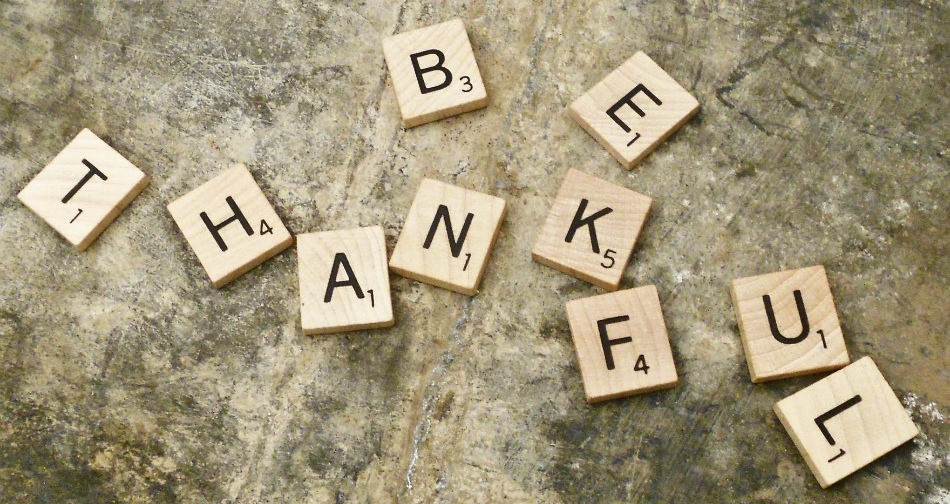 The idea of "being blessed" is not only a monetary existence, it's a state of mind. In the realms of having everything, there are some that could find it in them to still be ungrateful and unhappy. Not around here, Not us.
Beautiful things about Ganja, the frame of mind it induces and the bottom lines such inhibitors help you find are the simple ideas of life is beautiful, small things are wonders and we all can exist in love, light and peace.
So many amazing events have occurred, incredible people have given the world their gifts and communities have band together this year to find the grounds they need to stand upon and make change for the better. We are truly in amazing times. As eyes, hearts and minds open wide to where reality meets possibility, we all rise.
Happy Thanksgiving! Thank you for your support, family, friends and strangers....light and love to you in all forms!
The idea of "being blessed" is not only a monetary existence, it's a state of mind. In the realms of having everything, there are some that could find it in them to still be ungrateful and unhappy. Not around here, Not us.
Beautiful things about Ganja, the frame of mind it induces and the bottom lines such inhibitors help you find are the simple ideas of life is beautiful, small things are wonders and we all can exist in love, light and peace.
So many amazing events have occurred, incredible people have given the world their gifts and communities have band together this year to find the grounds they need to stand upon and make change for the better. We are truly in amazing times. As eyes, hearts and minds open wide to where reality meets possibility, we all rise.
Happy Thanksgiving! Thank you for your support, family, friends and strangers....light and love to you in all forms!
Subscribe to our newsletter and always be the first to hear about what is happening.
© 2026 Ganja Vibes. This website is for 18+ and contains adult content.